
SCARS
Scars are a natural part of the healing process that occurs when the skin repairs itself after an injury, surgery, or certain skin conditions. When the skin is damaged, the body forms collagen fibres to close and heal the wound, leading to the formation of scar tissue. Some scars may be flat and blend in with the surrounding skin, while others can be raised, discoloured, or sunken. While scars are permanent, various treatments can help improve their appearance and texture

Understanding these scar types can help in selecting the best treatment options to improve their appearance and minimise discomfort.
In addition to these variations scars can be either pigmented or hypo-pigmented:
PIGMENTED SCARS
Are darker than the surrounding skin, often caused by excess melanin during healing.
HYPO-PIGMENTED SCARS
Are lighter, due to a loss of melanin in the area. Both types can result from acne, surgery, or injury, and treatments like laser therapy or topical creams can help improve their appearance.

DID YOU KNOW?
In the UK, research indicates that around 70% of individuals with facial scars feel that their scars negatively impact their self-confidence. This statistic highlights the emotional and psychological effects that facial scarring can have. However effective treatments can help improve both the appearance of scars and the associated emotional well-being.
CAUSES
Though the greatest determinant of the severity of scarring is the initial cause of the scar; whether it be surgical or through trauma there are other factors at play that may affect tissue healing:
SKIN TYPE
Skin type plays a key role in how scars heal. Darker skin tones (types IV and above) are more prone to developing hypertrophic scars or keloids. Additionally darker or lighter skin tones may be more prone to hyperpigmentation or hypopigmentation in scars.
AGE
Younger individuals tend to produce more collagen, which can lead to thicker, more prominent scars, such as hypertrophic or keloid scars. However younger skin has better cell regeneration, which can sometimes result in a more efficient healing process. In contrast, older skin produces less collagen and has reduced elasticity, which can result in thinner, more delicate scars. Older adults may also experience slower wound healing, which can lead to more irregular scarring.
GENERAL OVERALL HEALTH ALSO IMPACTS HEALING
Conditions like diabetes, poor circulation, and malnutrition slow the body’s ability to repair skin and produce collagen. Conversely, good health, proper nutrition, and regular exercise support faster healing and more favorable scar formation.
DEPTH, SIZE AND LOCATION OF SCAR
Deeper and larger wounds are more likely to result in noticeable or severe scarring. Areas where there is a lot of movement such as around joints can result in a worse looking scar due to constant stretching of the scar.
PREVENTION
Research shows that initial management of scars in the form of wound care in the early stages of scar formation can hugely determine the long term severity of outcome of a scar.
Wound care:
Proper wound care, including keeping the wound clean and moisturised, can reduce the likelihood of severe scarring.
Allowing the body to heal:
Picking spots and scabs that form during the formation or healing process and further worsen the long term resultant scar. Scabs form as part of the natural healing process. Picking at them interrupts this process, prolonging the healing time and increasing the likelihood of improper tissue formation.
Avoid excessive sun exposure: Sun exposure can worsen the appearance of scars in several ways:
- Hyperpigmentation: UV rays can trigger increased melanin production, leading to darkening of scars (post-inflammatory hyperpigmentation), making them more noticeable compared to the surrounding skin.
- Delayed Healing: Excessive sun exposure can irritate healing skin, potentially prolonging the healing process and increasing the likelihood of abnormal scar formation.
Beyond Scars: A Revolutionary Approach to Surgical Healing
Radiofrequency microneedling emerges as a groundbreaking solution for those seeking to transform surgical scarring, offering hope where traditional treatments fall short. This advanced technique combines precision microneedling with targeted radiofrequency energy, creating a powerful approach to skin regeneration. By stimulating the body’s natural healing processes, the treatment works at a cellular level to remodel scar tissue, improve skin texture, and restore confidence. More than just a cosmetic intervention, it represents a transformative journey of healing and renewal for individuals carrying the physical reminders of surgical procedures.
Learn more
HOW TO TREAT
RADIOFREQUENCY (RF) MICRONEEDLING
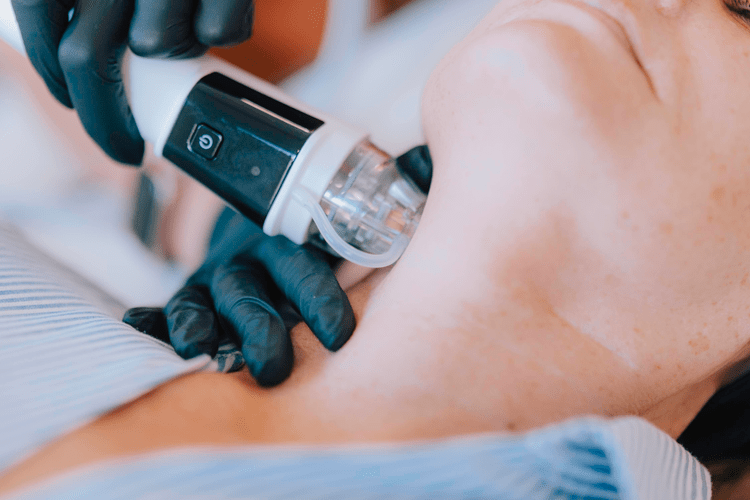
Improves scar appearance by combining tiny needles with radiofrequency energy to stimulate collagen production deep within the skin. This process helps to remodel scar tissue, smoothen skin texture, and reduce the visibility of scars, including acne scars, surgical scars such a caesarean scars, and stretch marks.
ENHANCED RF MICRONEEDLING WITH EXOSOMES
Adding exosomes to RF microneedling enhances scar improvement by delivering growth factors and regenerative signals directly into the skin. Exosomes accelerate healing, boost collagen production, and improve skin repair, amplifying the effects of microneedling for smoother, more rejuvenated skin and less visible scars.

PLATELET-RICH PLASMA (PRP)
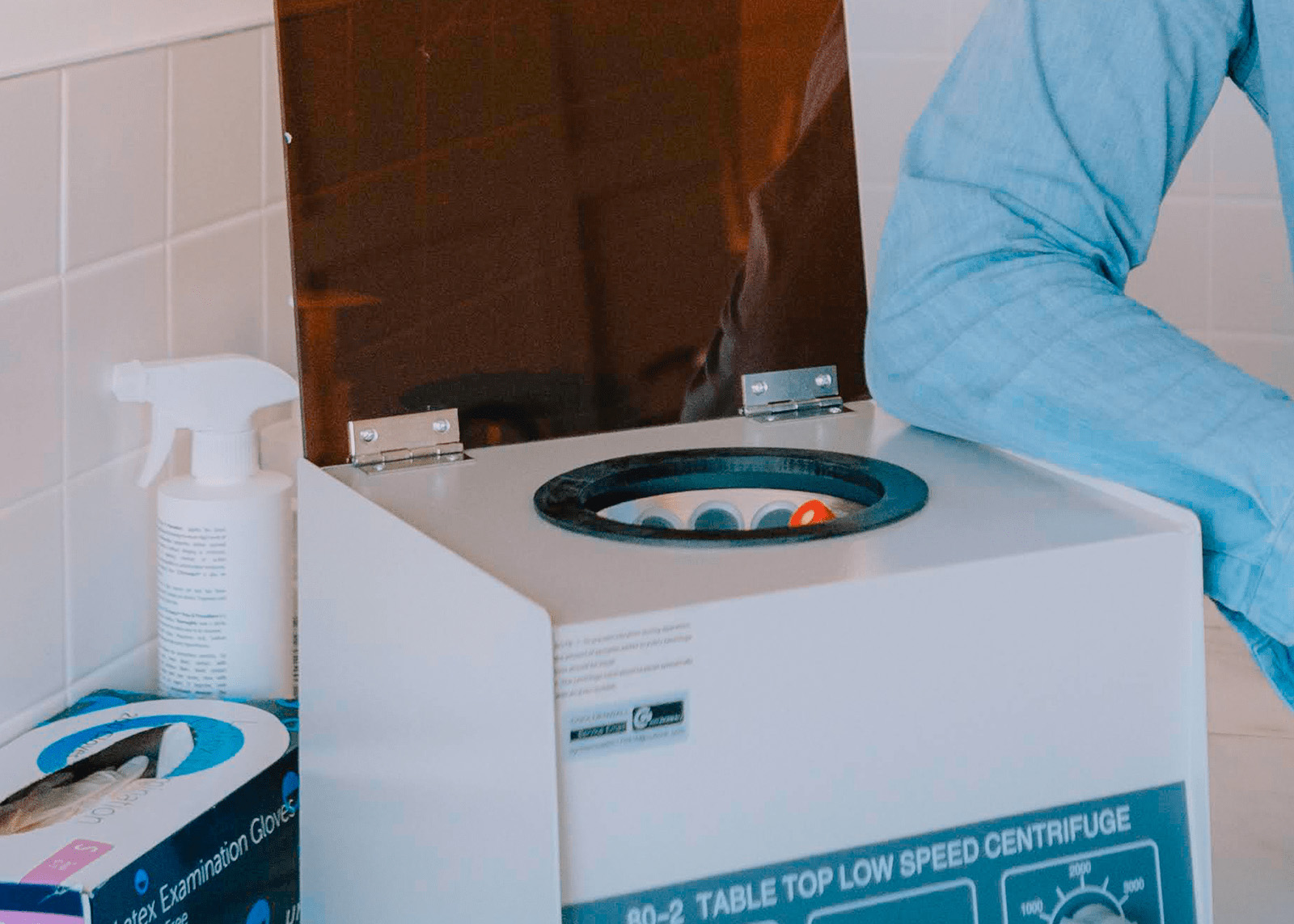
Improves scar appearance by using growth factors from the patient’s own blood to stimulate collagen production and tissue regeneration. This accelerates healing, reduces inflammation, and enhances skin texture, making scars smoother and less noticeable over time.
POLYNUCLEOTIDES (PNs)
Are an injectable treatment that improve scar appearance by promoting tissue regeneration and repairing damaged skin. They enhance cell turnover, stimulate collagen production, and improve skin elasticity, helping to reduce the visibility of scars. This results in smoother, healthier skin with a more even texture.
LED PHOTOTHERAPY
Can reduce the appearance of scars by using specific light wavelengths to stimulate cellular repair and collagen production. It reduces inflammation, promotes tissue healing, and enhances skin regeneration, helping to minimise scar texture and discolouration for a smoother and more even skin tone. Best for new scars.

SKINPEN MICRONEEDLING
The SkinPen device creates tiny, controlled micro-injuries in the skin, triggering the body’s natural wound healing response to treat scarring. This causes new collagen and elastin to form to make the scar appear smoother and less visible.

TOP PRODUCTS WE RECOMMEND FOR SCARS
Good skin care and healthy habits are the foundation of any in-clinic treatment. In clinic we have partnered with GetHarley to offer a wide range of medical grade skin care brands and products. All new patients receive a bespoke skincare plan following their consultation. Though every skin need is different here are some of the products most loved by patients with scars.
ZO SMART TONE BROAD SPECTRUM SPF 50
For uv protection of new scars – Smart Tone ZO SPF is a mineral-based sunscreen that provides broad-spectrum protection against UVA/UVB rays. Its colour-adapting technology blends seamlessly with various skin tones, offering a natural finish. The lightweight formula also contains antioxidants, enhancing skin protection from environmental damage while maintaining a smooth, even complexion.

NEOSTRATA SPF 40
For UV protection of new scars NeoStrata SPF 40 is a lightweight, broad- spectrum sunscreen that protects against UVA/UVB damage. Enriched with antioxidants, it helps prevent premature aging while offering hydration. Its non-greasy formula is ideal for daily use, leaving skin smooth and protected.

KELOCOAT
Is a silicone-based gel that help prevent scar formation by creating a protective barrier over the skin, which locks in moisture and helps regulate collagen production during the healing process. This barrier reduces excessive collagen buildup that can lead to raised scars like hypertrophic scars or keloids. Silicone also helps to flatten and soften existing scars. Best for surgical scars.

Book a Consultation
A free face-to-face or virtual consultation can help determine which treatment or combination of treatments are best for you